

BEAVER REMOVAL

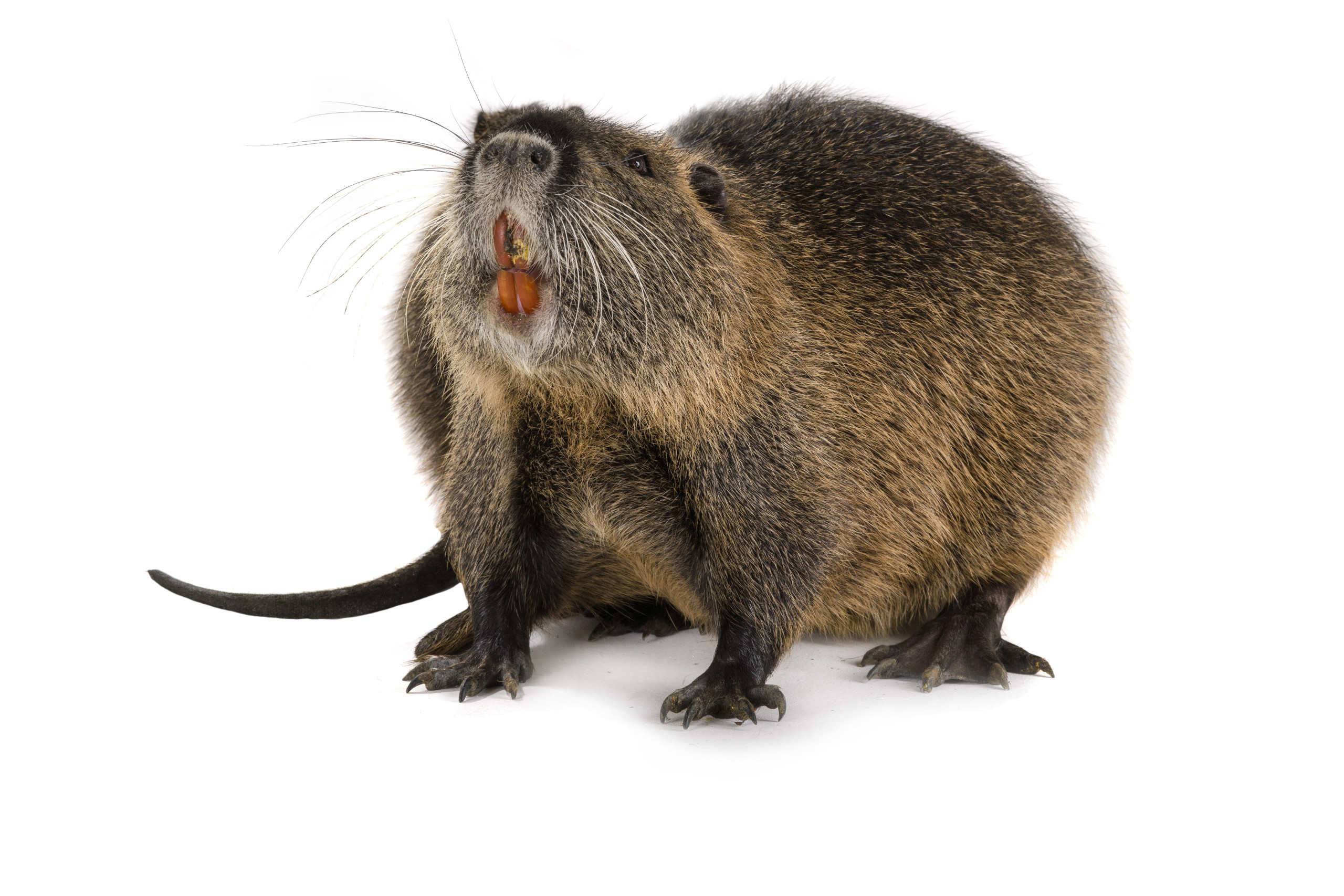
Beavers, known as North America’s largest rodent, know a thing or two about destruction. While you won’t find them hiding in your attic or eating your drywall, they do know how to cause damage to the land outside of your home. Beavers live in bodies of water including ponds, lakes, rivers and other wetland areas. Go Pro Wildlife Removal is an experienced and knowledgeable team ready to help with the identification or removal of unwanted guests. We have the necessary tools and resources to protect your home and implement beaver control or exclusion options.

Prevent Property Damage with Go Pro

If beavers have invaded your property, there are a few key signs that could help identify their presence. You may notice gnawed branches, fallen trees or piles of wood. It’s important to act quickly before they cause extensive damage to your property. Go Pro Wildlife offers several humane and safe solutions for managing pesky beavers.

  • Culvert Fencing

  • Tree Wrapping

  • Pond Leveling

Frequently Asked Questions

Beavers are North America’s largest rodent and are capable of significant land damage. They gnaw through trees and shrubs, create dams that flood surrounding land and can compromise drainage systems, culverts and pond infrastructure. Unlike most nuisance wildlife, beaver damage is primarily external and structural rather than inside your home. Signs of beaver activity include gnawed branches and stumps, felled trees and rising water levels in ponds or drainage areas on your property.

Go Pro Wildlife Removal offers several humane and effective solutions depending on the nature of the problem. Culvert fencing prevents beavers from blocking drainage infrastructure, tree wrapping protects valuable trees from gnawing damage and pond leveling manages water levels to reduce the flooding impact of beaver dams. The right approach depends on the size of your property, the extent of beaver activity and whether the goal is deterrence or removal. Go Pro will assess your situation and recommend the appropriate solution.

Primarily yes, beavers live in and around ponds, lakes, rivers and other wetland areas, so their damage is concentrated near water sources on or adjacent to your property. However, their dam-building and burrowing activity can affect a wider area through flooding, erosion and the loss of trees well beyond the water’s edge. Properties near bodies of water in Alabama and Georgia, including lake homes and rural land, are the most commonly affected.