
RACCOON REMOVAL
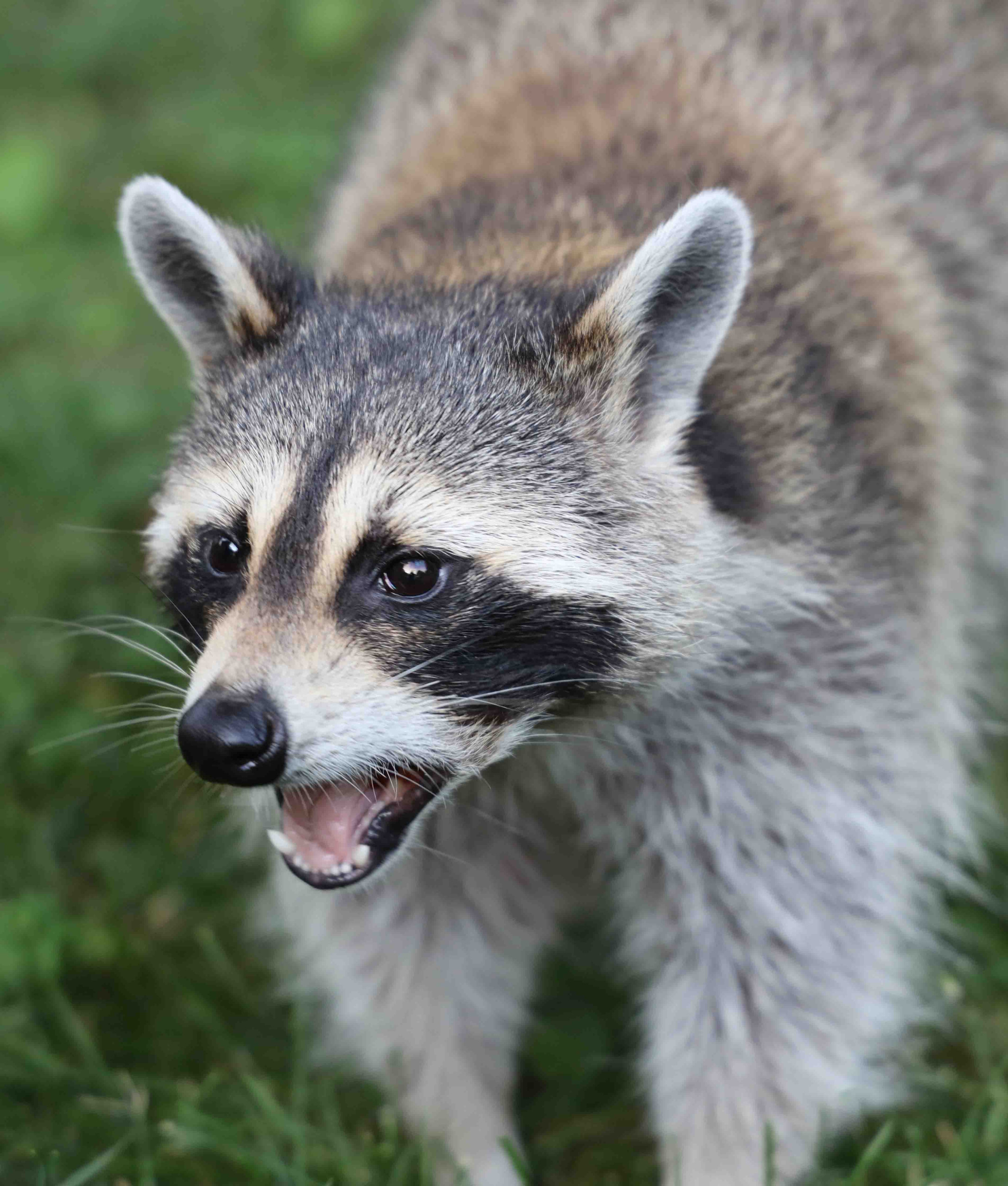
Raccoons play a major role in maintaining the health of our ecosystem. As scavengers, these creatures are natural-born trash collectors and play a key role in cleaning up their environments. In addition to scavenging, raccoons help distribute seeds throughout the ecosystem through their herbivore diets consisting of berries, fruit and nuts. This seed dispersal aids in plant reproduction, which is key to the life cycles of a variety of plants. Through seemingly destructive digging habits, raccoons create soil turnover, which improves infiltration of water and nutrients, leading to improved aeration of the soil in the environment.
They’re most active in spring, summer and fall, and tend to stay in their dens for most of the winter months. Mating season usually begins in late winter, with females giving birth to 1-6 kits in late April or May.
Many people regard raccoons as mischievous pests, who can become a nuisance to your home or property, but they clearly serve a vital purpose for the health and growth of our ecosystem. Despite their importance, their presence still can pose a threat to your health or wellbeing––especially if they’re found living inside of your home. Wildlife found within your home, will be evicted or removed in the most humane way possible, with human and animal health as our top priority, with a long-term solution to prevent additional wildlife entry.
Raccoons Seek Refuge in Walls, Attics and Crawl Spaces
Raccoons are proficient climbers and can easily find their way into your home through an external entry hole. While attics and crawl spaces are one of the most common places to find a raccoon in your home, a resourceful raccoon can make a place for themselves just about anywhere in your space. If you hear a raccoon scampering around in your ceiling, there’s a good chance it could find its way down the wall voids in your attic.
Perhaps one of the most common places to find a raccoon––or a whole family––is in your attic. Raccoons love quiet, dark, spaces where they can quietly raise their young out of harm’s way. Unfortunately for you, your attic meets every requirement on a raccoon’s new home checklist. Common areas raccoons can enter your attic include soffit vents, gable vents and roof vents. When raccoons are found in such a hard-to-reach space, a professional should be contacted to locate any dependent offspring and remove any suspecting adults.
Common Diseases Spread by Raccoons
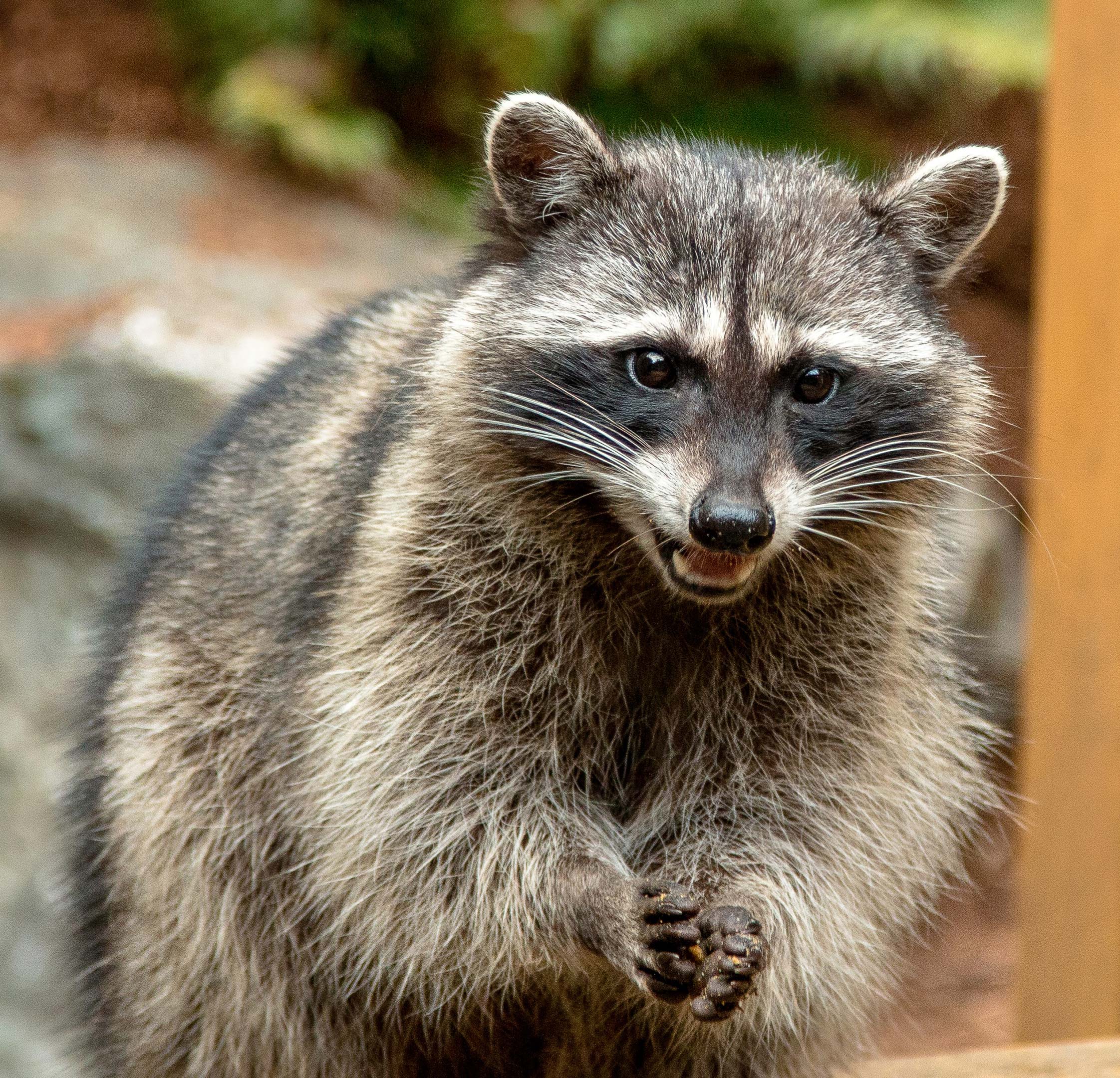
Saliva, urine, feces and bites or scratches are the most common ways people get infected. If a person is infected, symptoms can range from moderate to severe and can even lead to death, in some cases. We strongly urge you to refrain from handling any wildlife, including raccoons. Remember, all it takes is one bite to contract rabies.
What to Do If You Find a Raccoon in Your House
Since raccoons are most active at night, it can be hard for homeowners to even know they’re there. However, if you’ve found trash strewn across your yard, hear skittering in your attic or see scratch marks, these are signs that a raccoon has moved in.
OUR RACCOON INSPECTION AND REMOVAL PROCESS
Our removal process is the most up-to-date industry standards. To coax female raccoons out of the attic, we spray raccoon bull male pheromones to convince the female raccoon that her kits are in danger. Then, the female should take her kits and vacate the premises typically within 24 hours.
Frequently Asked Questions