SQUIRREL REMOVAL

SQUIRRELS OF ALABAMA

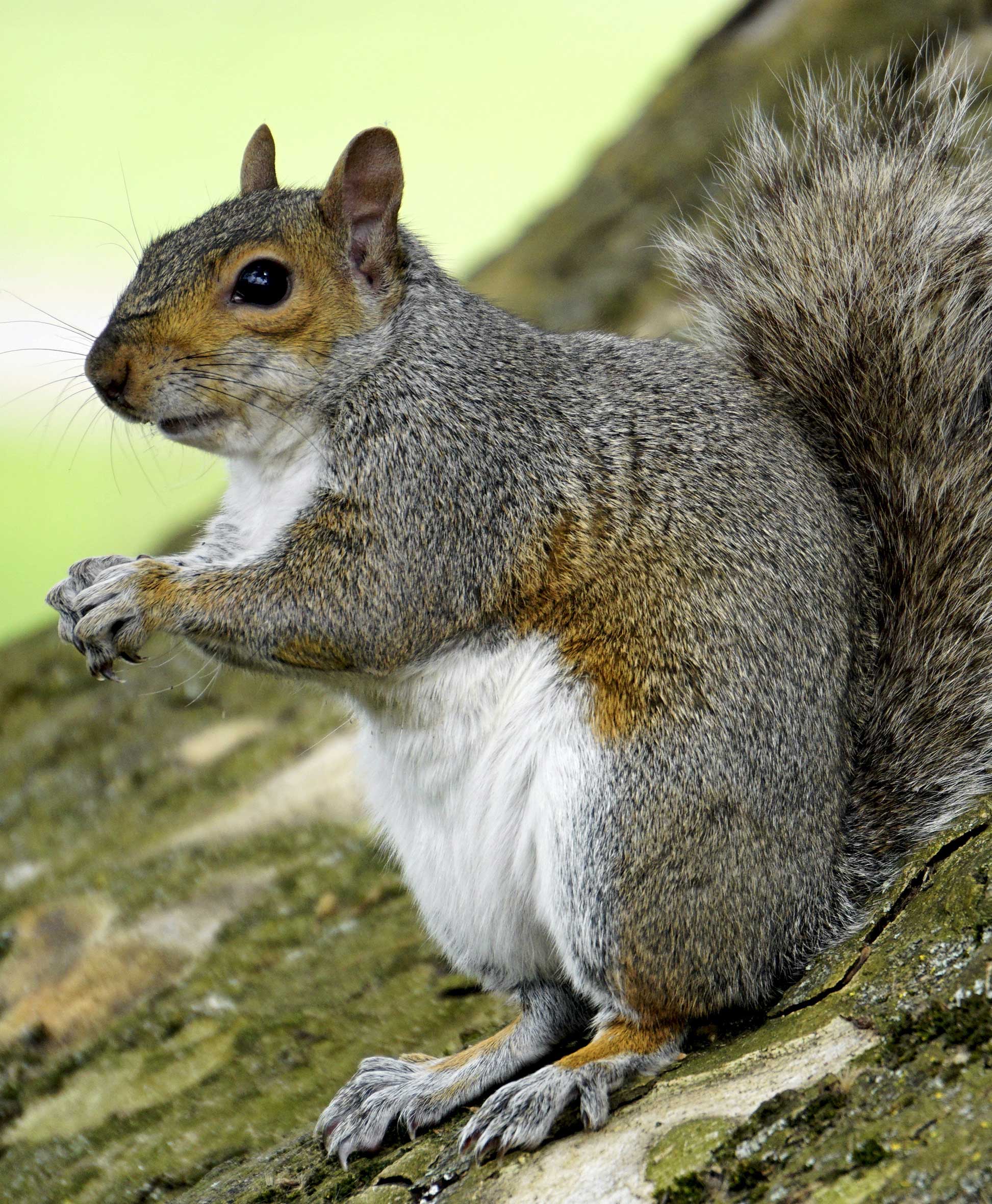
There are three species of squirrels in Alabama, including the Eastern Grey Squirrel, Fox Squirrel and Southern Flying squirrel. All three species can have up to two litters per year, one in the spring and one in the fall. The Eastern Grey Squirrel can be found in most habitat types in Alabama. The Southern Flying Squirrel is nocturnal, which means they are active at night, unlike its close relatives, the Grey and Fox Squirrels, which are active during the day.  

Damages Caused By Squirrels

Squirrels enter homes during winter months to seek warmth and shelter and can chew through wooden surfaces to gain entry into your home or attic. Squirrels are a member of the rodent family, and they chew to wear down their continuously growing front teeth. This gnawing can be very destructive to the exterior of your home, and once they get inside, they have been known to chew on electrical wires, which is a fire hazard. Squirrels create tiny holes in the walls and ceilings of your home. Later these holes become the perfect entry points for bats, raccoons, flies and other animals.  
Squirrel Control & Removal Services

Go Pro Wildlife Removal services include the removal of squirrels from homes and businesses. We look at all possible entry points, then repair and close these entry points so squirrels cannot get inside your home. After entry points have been sealed, we locate the main entry point and trap any remaining squirrels through a one-way door. By doing this we eliminate all animals causing damage and then seal the final point of entry.  

Diseases Spread by Squirrels

Squirrels are known to carry numerous diseases that present dangers to humans. Below are some diseases that squirrels can pass to humans: 

  • Leptospirosis

  • Salmonellosis

  • Tularemia

  • Typhus

  • Plague

  • Lyme disease and other tick-borne diseases

  • Rabies

Keeping squirrels away from your home is the best way to ensure the health and safety of both homeowners and pets.    

Frequently Asked Questions

The most common signs are noises during daylight hours. Squirrels are active during the day, so scratching or scurrying sounds in the attic in the morning or afternoon are a strong indicator. You may also find large, shapeless nests made of mixed materials, or droppings that are brown or reddish with rounded ends (distinct from the darker, pointy droppings left by rats or mice). If you suspect squirrel activity, contact Go Pro Wildlife Removal for a free inspection.

Attics are ideal for squirrels because they are warm, dry, high off the ground and protected from predators, exactly what a squirrel looks for when nesting or raising young. Squirrels in Alabama and most Southern states can have up to two litters per year, in spring and fall, so attic intrusions are most common during those seasons. Simply removing the squirrel without sealing the entry point will result in the same problem recurring, which is why Go Pro Wildlife Removal addresses both removal and exclusion together.

Yes, the Southern Flying Squirrel is nocturnal, so you will hear activity at night rather than during the day, which is the primary way to distinguish them from grey or fox squirrels. Flying squirrels are also smaller and can squeeze through an opening smaller than a quarter, making entry-point identification more difficult. Go Pro Wildlife Removal uses motion-activated IR cameras to verify that all flying squirrels have exited before sealing the structure, ensuring none are trapped inside.

Yes. Squirrels chew constantly to wear down their teeth, and inside a home that means electrical wires, HVAC ducts, plastic pipes and insulation are all at risk. Chewed wiring in particular is a known fire hazard. Small entry holes created by squirrels also become access points for bats, raccoons and other wildlife. Beyond structural damage, squirrels carry diseases including rabies, salmonellosis and typhus that can be transmitted to humans.