
Wildlife Entry Points on Your Roof: What Homeowners Need to Know
Wildlife commonly sneaks into homes through the roof, in openings you didn’t even know were there. Cracks, gaps and poorly sealed vents give squirrels, bats, raccoons and other wildlife easy access to your attic. Once wildlife enters your home, the damage they cause can be significant. The type of roof you have, as well as performing routine maintenance, are major factors in keeping your home wildlife free. Here’s what homeowners need to know about roof vulnerabilities and how to address them before it is too late.
Asphalt Shingles: Common, But Not Without Vulnerabilities
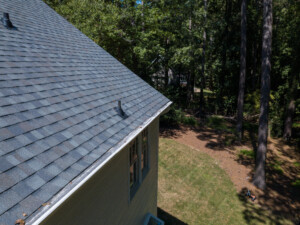
Asphalt shingles are the most common type of roofing in the United States. Chances are, they’re what’s above your home. Their affordability and availability make them such a common choice, but they come with real vulnerabilities, especially in the Southeast’s hot and humid climate.
Temperatures regularly topping 90 degrees can soften, expand and warp the shingles, leading to potential leaks and gaps in your roof, creating gaps that wildlife can exploit.
Metal Roofing: A Stronger Option That Still Has Weaknesses
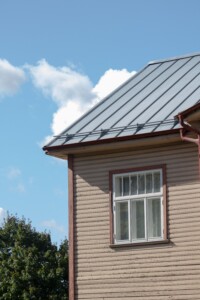
In the last few years, metal roofing has become a more popular option for homeowners. Despite being more expensive upfront, metal roofing has a longer lifespan, is excellent at preventing weather damage and keeps your house cool, which is highly sought after in Alabama and Georgia. While seeming like the better option, metal roofing has quite the vulnerabilities to wildlife. If metal roofing is not installed properly, it can be a costly repair.
The most common wildlife entry points on metal roofs include:
• Ridge vents without proper screening: Metal roofs installed without proper screening under the ridge vent, which runs along the peak of the roof, give wildlife an open slot into your attic.
• Unprotected eaves: At the corners of your home, missing metal bracing creates a soft spot for smaller wildlife, such as rodents, to enter.
• Expansion gaps: Metal roofing is susceptible to warping due to temperature fluctuations, expanding when heated and contracting when cooled — especially if not properly installed.
The National Roofing Contractors Association (NRCA) estimates that up to 40% of roofing problems are attributed to installation errors, including metal roofs. A well-installed metal roof is more wildlife-resistant than asphalt, but installation quality makes all the difference.
How To Check Your Roof for Wildlife Entry Points
Preventing your roof from becoming an entry point for wildlife is the safest way to escape damage to your home and avoid costly repairs. Here is a practical inspection routine fit for any homeowner:
• Perform a walk around of your home: Every few months, walk around the outside and inside of your home. Do not forget your attic and crawl spaces. Look for signs of chewing and scratching, up to and including finding entry points. Entry points come in different types including wood shavings, insulation remnants, scratched wood, chew marks, etc.
• Check your insulation: Blown insulation tends to look like snow. Animals will make trails and may tunnel or burrow in it, leaving evidence of their presence.
• Be on the lookout for feces or staining: Animal droppings are an obvious sign but keep an eye out for grime along your roof. These spots tend to appear when animals repeatedly travel the same path, leaving oils from their fur on the surface of your roof.
• Schedule professional inspections: Scheduling annual or semi-annual inspections for your roof to mitigate the risk of wildlife entering through your roof pay off significantly. A trained eye knows exactly where to look and can identify species-specific evidence that can let you know exactly what you’re dealing with.
Don’t Wait for the Damage to Get Worse
Wildlife doesn’t stop at the attic. Once inside homes, wildlife can chew through wiring, tear apart insulation, leave behind waste that can lead to potential health risks and create new entry points for other wildlife. The longer they are inside, the more costly the removal and repairs become.
Go Pro Wildlife Removal is experienced in wildlife removal and remediation, ensuring the entry point is sealed permanently. If your roof has become an access point for wildlife, contact us now for a free inspection. We also offer one-year exclusion warranties that cover all entry point repairs and exclusions techniques that are renewable annually.
Introducing Go Pro Pest Solutions!
Heading out for the season? Secure your lake house against raccoons, squirrels, bats and more with these wildlife prevention tips.
Contact Info
Contact Go Pro today! We offer wildlife removal solutions in Auburn, Opelika, Lake Martin, Valley, Montgomery, AL and Columbus, GA areas.
Phone: (334) 744-0391
Hours: Open 9:00 am – 5:00 pm