
by TRIND Design
Share
Spring is here and gardeners across the Southeast are heading back outside. Unfortunately, gardeners are not the only ones outside enjoying the warm weather. With summer approaching, wildlife is on the move and your garden might be exactly where they’re headed for vacation. Go Pro Wildlife Removal offers preventive exclusion solutions to protect your garden this summer through strategic plant deterrence.
A little planning before the first seed goes in the ground can make a major difference. With Go Pro’s preventive exclusion solutions, we explore which species of wildlife like to take residence in your garden, which plants are attracting them and how certain plants help issue an effective eviction.
Common Garden Guests and Pests
The spring and summer seasons bring a surge of wildlife activity in residential areas. For many animals, a well-stocked garden is an irresistible food source as well as the perfect vacation spot. Gardens often attract wildlife on the hunt for food, with deer, raccoons and squirrels being frequent visitors. Gardeners may find these wildlife guests overstaying their welcome to be frustrating, but learning more about these animals and their behaviors can lead to a more balanced outdoor space.
Deer
Deer are notorious for being the most destructive garden visitors in the Southeast. These opportunistic feeders are easily enticed by almost anything that is green and growing, from crops to flower beds. Whether working alone or travelling in their herds, deer may destroy vegetable or flower gardens by eating or trampling the vegetations. Deer tend to feed at dawn and dusk, doing their damage during the night with no obvious guilty party in sight. Though deer are beautiful to observe, they can deprive gardeners of a beautiful garden in full bloom.
Raccoons
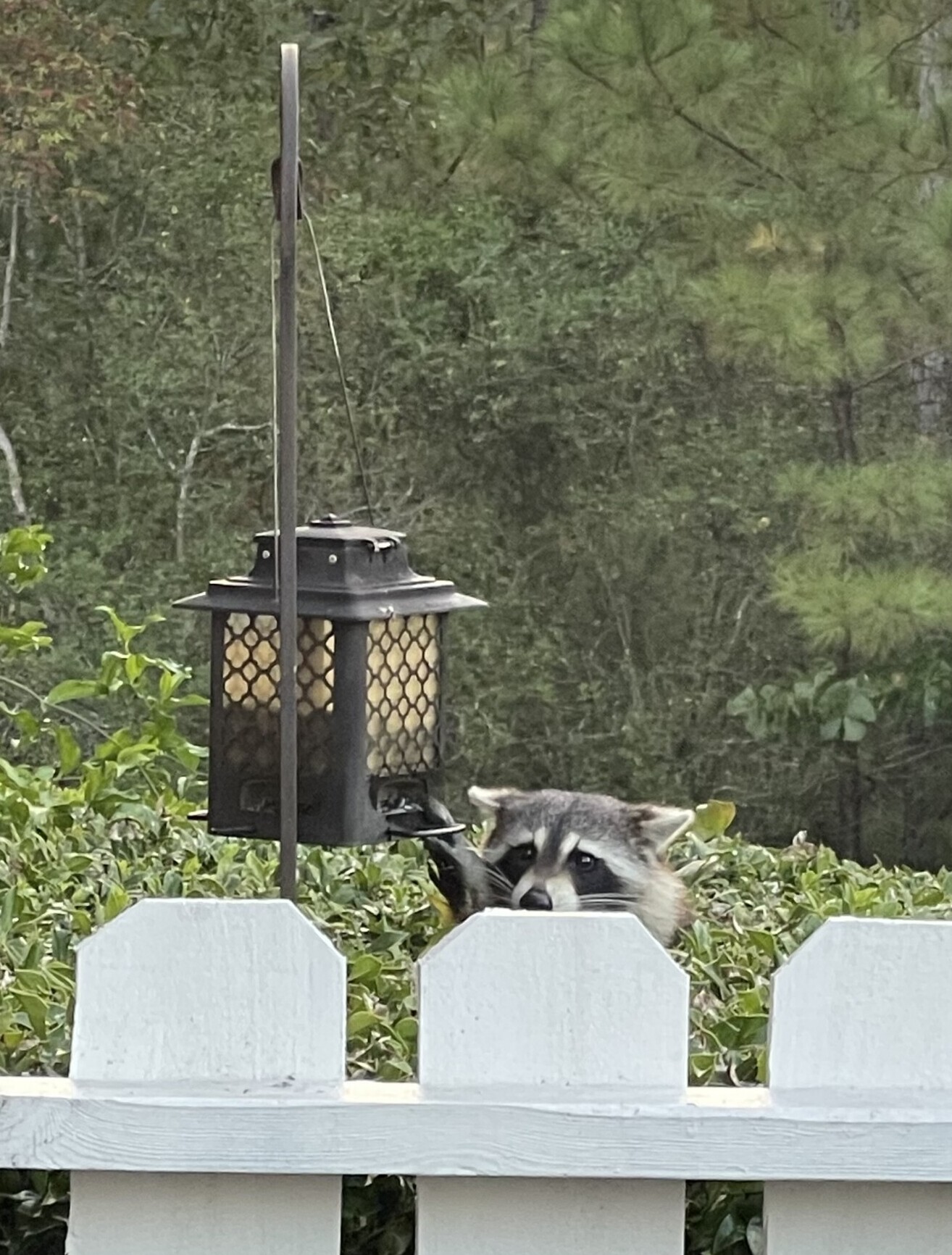
Raccoons can significantly impact your garden in many ways. Raccoons tend to be clever, persistent and opportunistic feeders. As omnivores, they will happily dig through fruit and vegetable gardens to find any crops available to them. Their nighttime foraging can often leave a garden in complete disarray. Beyond their eating, the digging alone can significantly set back a garden. Raccoons are also known to be creatures of habit, often returning to the food source repeatedly.
Squirrels
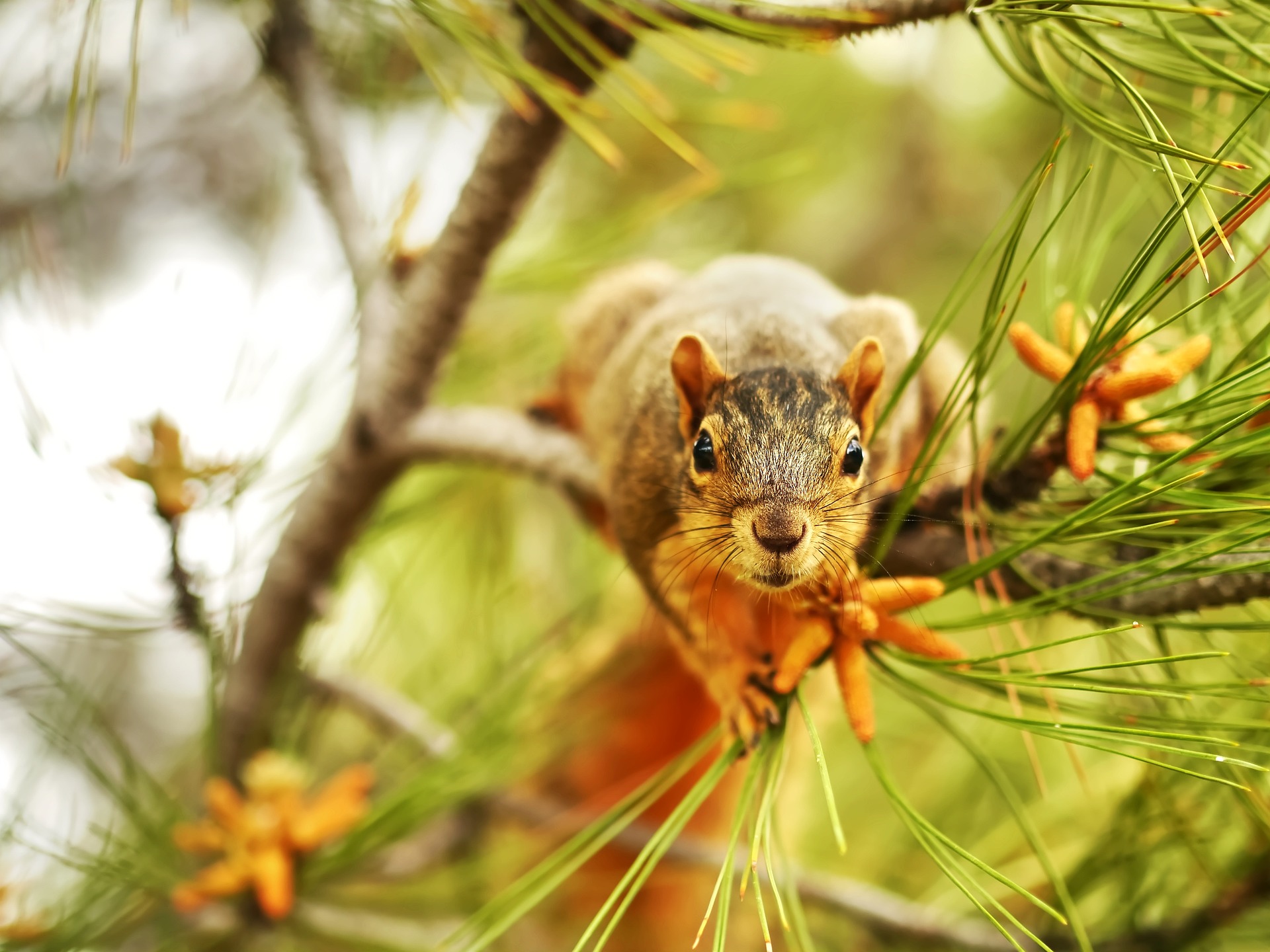
Like deer and raccoons, squirrel foraging habits can also be detrimental to a garden. Their impact ranges from digging small holes and burying their food to disturbing roots and chewing through crops, and these habits can be detrimental to a garden. Minimizing the impact of squirrels on your garden requires both knowledge and strong preparation.
Plants That May Be Working Against You
Some plants that are appealing to the human eye are also the most attractive to wildlife. If you are dealing with frequent visits from pests, these plants could be a contributing factor:
- Lillies: Beautiful and loved by pollinators but also tend to attract destructive insects. The invasive lily beetle has become a strong concern for gardeners across the Southeast, causing serious damage to lily plants.
- Tulips: Often tempting for a wide range of wildlife, including deer, rabbits, voles and squirrels. Planting tulips without any preventive measures can be appetizing for wildlife.
- Azaleas: Lush blooms that tend to attract a variety of insects that can be problematic for both the plant and people nearby. These blooms create an inviting environment for pests that can spread to other areas of your garden.
This doesn’t mean you should entirely avoid these plants altogether, but it is worth knowing that they can draw attention to your garden if not paired correctly with deterrents.
Protecting Your Space from Wildlife Intrusions
The most effective and low-maintenance deterrents for garden pests are other plants. Certain species naturally repel animals and insects through their fragrances, bitter tastes and unpleasant textures. These plants are not only beautiful, but they also assist in your efforts to deter wildlife and protect your plants and vegetation. Add these plants to your garden and watch how they deter wildlife while they bloom:
- Zinnias: Vibrant flowers add color through the entire growing season. They are highly fragrant which can be unappealing to many common insects and wildlife.
- Marigolds: Produce a compound called linalool that repel a range of wildlife. These vibrant orange flowers are also easy to grow and thrive in the humidity of the Southeast.
- Daffodils: Contain lycorine, a toxic alkaloid found throughout the plants. This makes the plant poisonous to rodents and other small animals which will cause the wildlife to stop returning to your garden.
- Rosemary: A natural insect repellant that produces limonene, a highly effective mosquito repellent which has been proven to surpass some manufactured deterrents.
- Lavender: Highly fragrant and deeply off-putting to wildlife.
A thoughtful combination of these plants can significantly reduce the wildlife visits occurring in your garden. Planting strategically goes a long way, but sometimes it is not enough on its own. If your garden doesn’t completely drive off nuisance wildlife, call Go Pro Wildlife for an inspection.
Go Pro Wildlife Removal offers inspections and customized exclusion plans to protect your garden, landscaping and home from nuisance wildlife. Our team serves homeowners throughout the Auburn/Opelika, Columbus, Montgomery, Lake Martin and surrounding areas. If wildlife is giving you trouble this season, contact us today for a free inspection.
Wildlife Entry Points on Your Roof: What Homeowners Need to Know
Do you hear something crawling around in your attic, and aren’t sure what it is? It is most likely wildlife that has gained access through your and is now looking for shelter in your home.
Contact Info
Contact Go Pro today! We offer wildlife removal solutions in Auburn, Opelika, Lake Martin, Valley, Montgomery, AL and Columbus, GA areas.
Phone: (334) 744-0391
Hours: Open 9:00 am – 5:00 pm